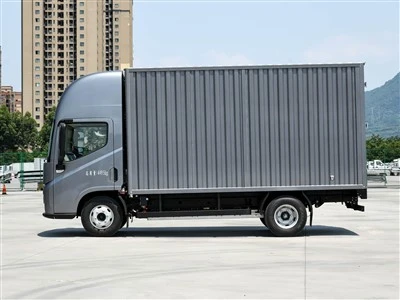
The materials of EU cars mainly include aluminum alloys and recycled plastics.
Aluminum alloys
Aluminum alloys are widely used in EU car manufacturing, mainly for lightweight design. Aluminum alloys are lighter than steel and stronger than aluminum, so they can significantly reduce the overall weight of the car while ensuring the strength and safety of the car. The use of aluminum alloys can not only improve the power of the car, but also reduce fuel consumption. In developed regions such as Europe, North America and Japan, environmental awareness is strong, and vehicle lightweighting has become a regulatory requirement, so aluminum alloys are widely used in trucks and vans.
.
Recycled plastics
The EU is promoting the use of more recycled plastics in car manufacturing to reduce the demand for new plastics and promote a circular economy. According to the new EU regulations, a certain proportion of recycled plastics must be used in the manufacture of new cars, of which 25% must come from scrapped vehicles. In addition, plastics in scrapped vehicles should be recycled as much as possible to achieve environmental and economic benefits. Major car companies such as Volvo, Volkswagen and Audi have adopted a large number of recycled materials in their models to improve the sustainability and environmental performance of their vehicles.